meet the artists
Meet our Artists! Click the images below to read their answers to our nature-themed “about you” questions…
We’ll add more mini profiles as the season progresses!
Ana Manastireanu, Piano
1. Do you have a favourite flower, tree or plant? Why?
I love all the spring flowers including daffodils, tulips, hyacinths, snowdrops, lilacs, freesias and lilies of the valley. They bring back so many vibrant colours after the winter and many of them fill the air with very sweet and fresh scents.
2. What’s your favourite way of engaging with nature, or what makes you feel connected to the natural world?
I love going for long walks as often as I can, spending time in nature and being surrounded by trees, flowers and wildlife. It’s always such a great escape from the daily pressures, it quiets your mind and improves your overall well-being.
3. Tell us a piece of nature inspired music that you love and why.
There are so many favourites, but on this occasion I’ll choose Im Abendrot (At Sunset) by Schubert. It looks so simple on paper, yet it is so deeply moving. It describes the divine beauty of the evening glow and of the whole world, at the same time reminding us of the fragility of all beauty and of our own mortality.
4. Is there a piece of music which transports you to a particular place in nature?
An Alpine Symphony by Richard Strauss. Each section depicts so vividly the different stages of trying to conquer the summit of an Alpine mountain and the majesty of the landscape. The instrumental colours and the rich combinations of sounds bring to life all images and events that take place on the trek.
5. Have you ever performed, practised or simply performed outside in nature?
Yes, I have. It is always such a nice experience to be surrounded by the sounds of nature. It’s also always a challenge finding a way to prevent your sheet music from being blown away by the wind… I’ve had to get very creative in the past trying to find a way to deal with this sometimes!

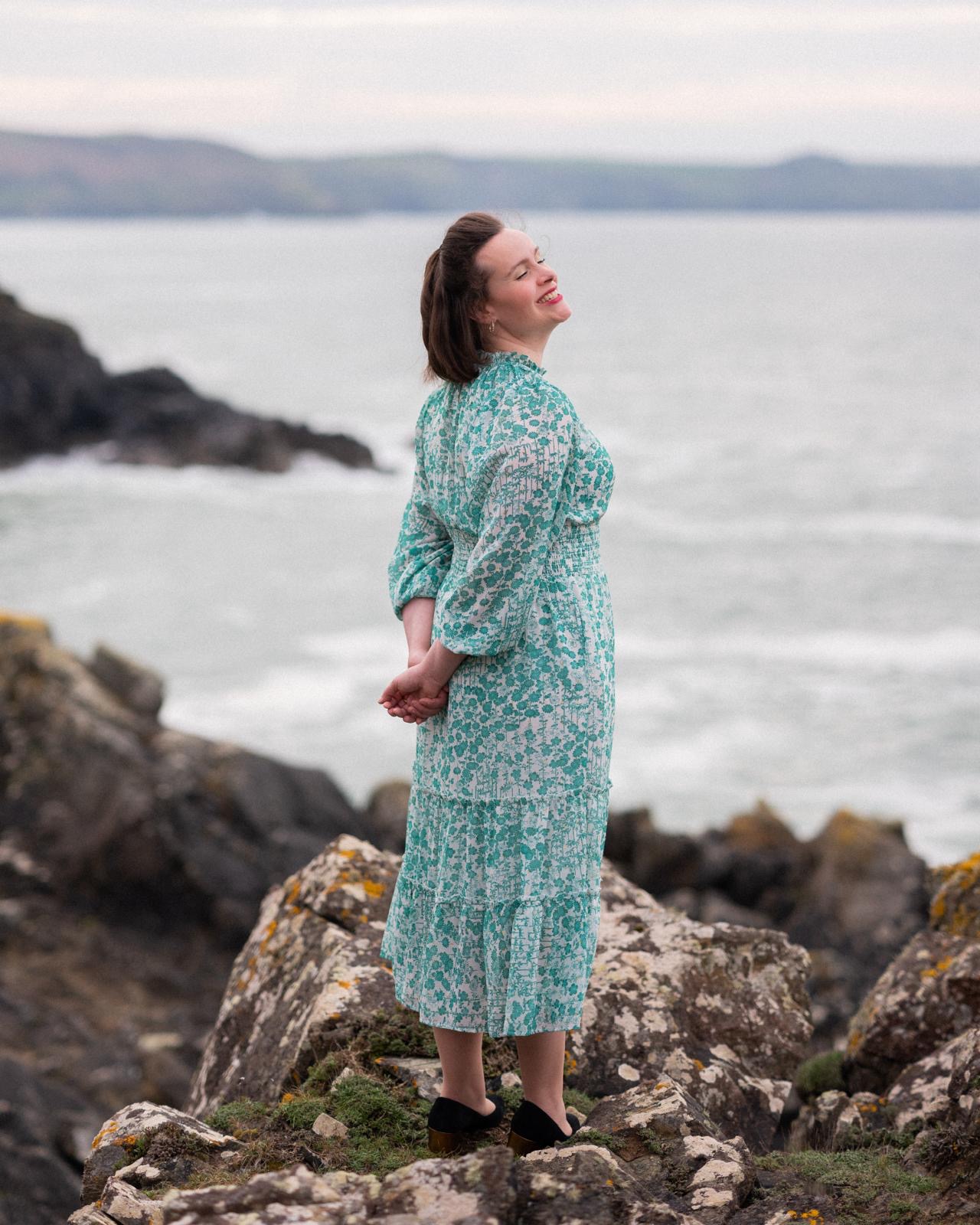
Katy Thomson, Soprano
1. Do you have a favourite flower, tree or plant? Why?
I love trees. All trees really, but particularly Magnolia trees (they are just so beautiful), Cedar trees (gentle giants) and Silver Birch. My grandparents had a Silver Birch tree at the top of their garden, and I was always fascinated by how the bark would flake off to make room for new growth (a good metaphor for life if ever there was one). I also love daffodils and the beautiful yellow flowers that cover gorse bushes. Specifically, the gorse bushes that line every coastal country lane in North Cornwall, where I went every Easter for fifteen years for the St. Endellion Easter Festival.2. What’s your favourite way of engaging with nature, or what makes you feel connected to the natural world?
I love getting out on a long walk in the woods or by the sea. I feel most at peace when dwarfed by giant trees or majestic cliffs. I find the rhythm of the tide very reassuring and enjoy the changing characteristics of the water: how it can be foaming and furious one day, completely calm the next. I feel most inspired when I am no longer surrounded by things on a human scale, but on the vast, earthly scale of deeply rooted trees and cathedral sized rocks rising out of the water. It is so humbling, and rich ground for creativity when feeling a strong connection to the land around me.3. Tell us a piece of nature-inspired music that you love and why
September from Strauss’ Four Last Songs (which we will perform in May!). It really captures that moment when late summer turns towards autumn, how we notice it in nature and feel it in ourselves. Choosing a favourite recording is so tricky, there is something magical about all of them, but the Rachel Willis-Sørenson recording is the first one I would recommend.4. Is there a piece of music that transports you to a particular place in nature?
The Britten Sea Interludes (from his opera Peter Grimes) are so evocative, they take me straight to that stretch of coastline from Aldeburgh to Thorpeness. The first time I set foot on that beach, when I felt the pebbles shifting under my feet, and I saw the sheer expanse of sea and horizon, I heard the Sea Interludes. I felt them in my bones, somehow. As a Britten Pears Young Artist, I was lucky to spend bits of time in Suffolk across a whole year and got to know that stretch of coast at all hours, in all weathers, all seasons. The Sea Interludes capture the experience perfectly. I hear the waves tumbling the pebbles, the heavy crunch of my feet on the stones, the shrill cry of the gulls; I feel the wind whistling, the cold nipping at my ears, my nose; I see the white horses further out to sea, the gentle throb of the tide. A salty assault on the senses.
5. Have you ever performed, practised or simply played outdoors in nature? Tell us about it!
When I need to memorise something, learning a new role of committing a new song cycle to my memory, I much prefer to do this when I am out and about in nature. I will take my notes or the text with me and do lots of short, concentrated pockets of work, building layers of memory. I find my brain (and my muscle memory) is so much more receptive when I am moving, and I love being outside so if I can work outside, I will!
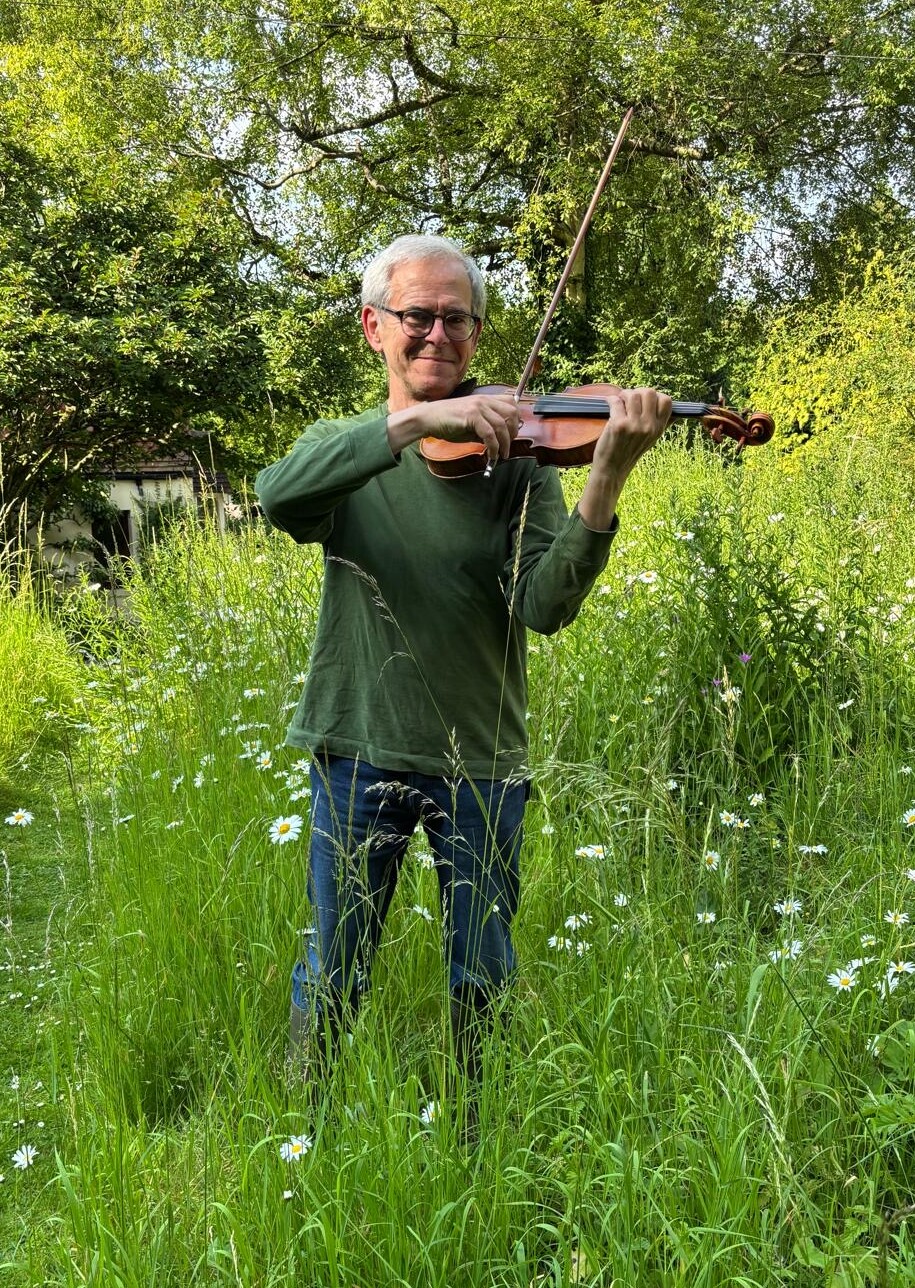
Paul Barritt, Violin
1. Do you have a favourite flower, tree or plant? Why?
I love the yellow flowered Ragwort (which has appeared in my recently ‘re-wilded ’ garden). Though unpopular with horse owners, it is the friend of the wonderful cinnabar moth and its black and yellow striped caterpillar, which this year, completely demolished a whole plant directly in front of the window of my practice room.
2. What’s your favourite way of engaging with nature, or what makes you feel connected to the natural world?
I am very keen on birds and particularly their songs and calls. I regularly go birding, mostly around where I live but also, from time to time, in East Anglia and in Portugal. My favourite bird at present is the barn owl. For song, I think the blackbird is the most beautiful songster. He not only sings before finding a mate and to establish his territory but also after breeding, he continues to ‘compose’ for some reason. I also am very interested in the stimulation that birds and nature have given some of our greatest composers.
3. Tell us a piece of nature inspired music that you love and why.
I just love the song ‘Ungeduld’ from Schubert’s cycle ‘Die Schöne Müllerin’. Especially the second verse where the man asks to be given a Starling so that he might teach the bird his beloved’s name in order that the Starling will say the following words ‘“Dein ist mein Herz und soll es ewig bleiben” (my heart is yours, and shall ever remain so). This always brings tears to my eyes. Starlings are amongst my most favourite birds. They are astonishing mimics. I have a recording on my phone of a starling actually singing the opening tune of Mozart’s Eine Kleine Nachtmusik.
4. Is there a piece of music which transports you to a particular place in nature?
Britten’s Four Sea Interludes from Peter Grimes always takes me to the east coast of Suffolk, one of my favourite places in this country to connect with the natural world.
5. Have you ever performed, practised or simply performed outside in nature?
I did once play Vivaldi’s Four Seasons with members of the Hallé Orchestra in a park in central Manchester at 7.00 am (ie before breakfast) on the first day of spring! Mad!
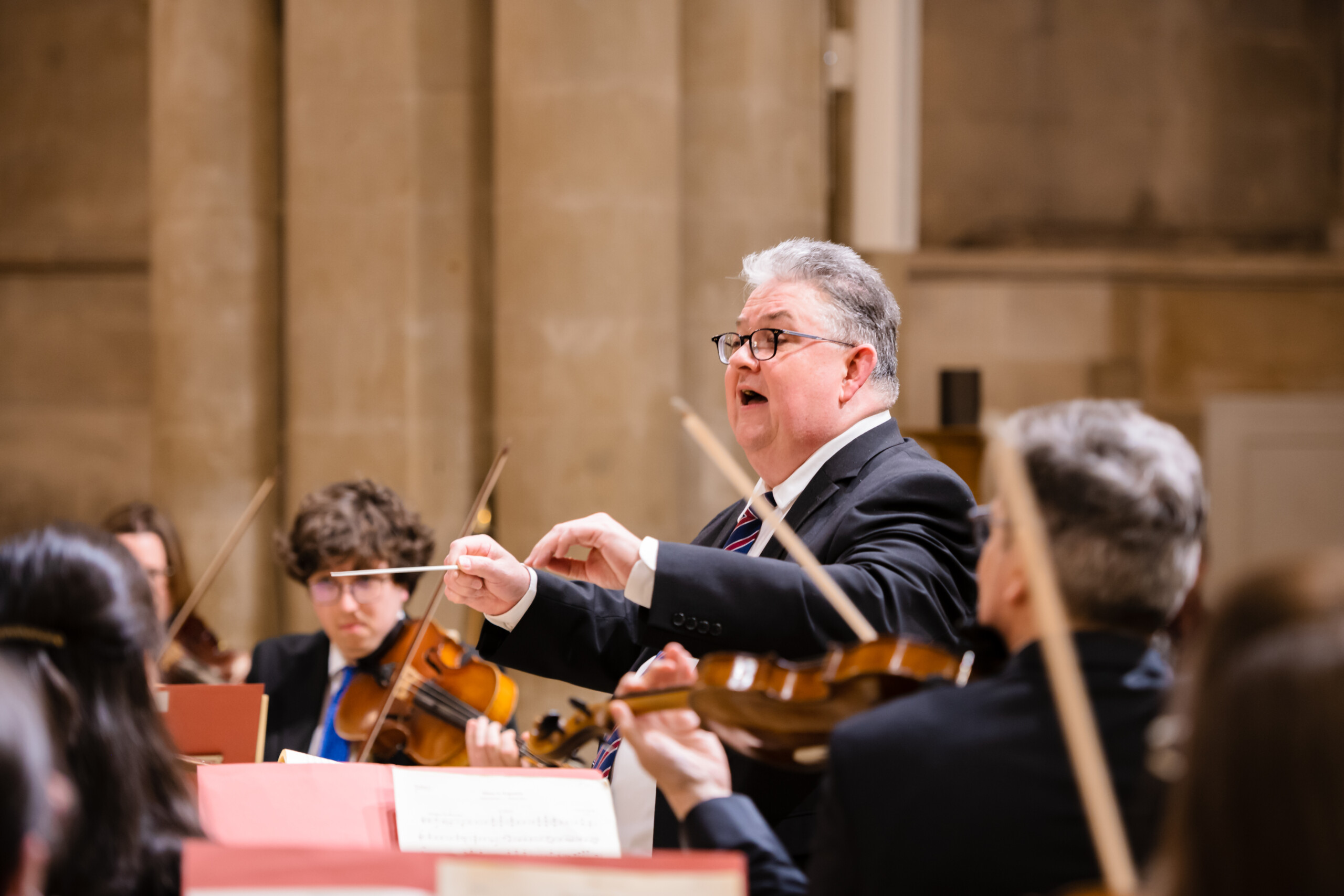
George Vass, Conductor
1. Do you have a favourite flower, tree or plant?
Honeysuckle, I just adore the scent.
2. What’s your favourite way of engaging with nature, or what makes you feel connected to the natural world?
I moved to Woburn Sands a few years back and walk in Aspley Heath woods most days. Sitting in silence with nature going on around is one of the very best things for resetting the brain.3. Tell us about a piece of nature-inspired music that you love and why
So much British music is influenced by nature – I particularly love Delius’ orchestral pieces ‘In a Summer Garden’, ‘North Country Sketches’ and ‘On hearing the first cuckoo’ in the recordings by Charles Mackerras as they bring out the delicacy of the orchestration; in a different way I feel that Britten’s opera ‘Peter Grimes’ captures so much of the natural world – including a terrifying storm – in my mind, it always conjures up a picture of Aldeburgh, the sea and the surrounding Suffolk countryside. There is so much else – Debussy ‘La Mer’, Ravel’s piano suite ‘Miroirs’, Frank Bridge ‘The Sea’, Vaughan Williams’ ‘The Lark Ascending’ – far too many favourite pieces to list here.4. Is there a piece of music that transports you to a particular place in nature?
The Grieg Piano Concerto reminds me of childhood walks I used to take with Bonzo, the family boxer, around Park Lime Pits in Rushall, a wonderful haven for wildlife close to where we lived in the West Midlands. I got to know the Grieg Concerto really well back then – memories of those happy and carefree days flood back each time I hear it.5. Have you ever performed, practised or simply played outdoors in nature? Tell us about it!
In my former life as an orchestral percussionist, I played in my fair share of ‘muddy field’ concerts and I have to say that they were never particularly enjoyable. Especially bad was Kenwood Bowl on Hampstead Heath, where the stagnant water stank and the whole place buzzed with angry mosquitoes – thank God for calamine lotion!
Huw Wiggin, Saxophonist
1. Do you have a favourite flower, tree or plant? Why?
I think I’d choose dandelions and buttercups. They’re often seen as simple or ordinary, but to me they feel quietly special — little sparks of gold scattered through the grass. They don’t demand attention, yet they light up a whole field. I love how they grow freely, bringing colour and warmth wherever they appear. There’s something comforting about flowers that radiate sunshine without trying too hard.
2. What’s your favourite way of engaging with nature, or what makes you feel connected to the natural world?
I feel most connected to nature when I’m swimming or meditating. Being in the water feels grounding and freeing at the same time — like I’m part of something bigger, moving with it rather than against it. And when I’m meditating outdoors, focusing on my breath, I become more aware of the air, the sounds, the light around me. It’s in those quiet moments — breathing deeply, floating, being still — that I feel most in tune with the natural world.
3. Tell us a piece of nature-inspired music that you love and whyTwo pieces that feel deeply connected to nature for me are La Mer by Claude Debussy and Fratres by Arvo Pärt. I will be playing Fratres at the Festival in the Ferio Saxophone Quartet.La Mer captures the movement and shifting moods of the sea so vividly — it feels fluid and alive, as though the music itself is breathing and shimmering like sunlight on water. There’s a sense of constant motion and changing light that reminds me how powerful and unpredictable nature can be.Fratres, on the other hand, feels more elemental and meditative. Its simplicity and repetition create space — like standing in a vast landscape where time slows down. The stillness, the resonance between notes, almost feels like listening to the echo of wind or the quiet pulse beneath everything. Both pieces connect me to nature in different ways – one through movement, the other through stillness.Here is a recording of Fratres arranged for saxophone quartet https://open.spotify.com/
track/4eXuBVbKeioOQTP2ckAVD2? si=AxhDwogzQ5CMOFHLS8L2_A
4. Is there a piece of music that transports you to a particular place in nature?
Kuku by Barry Cockcroft takes me back to the Covid lockdown in spring 2020. I used to play it outside, when everything felt unusually quiet and still. The air was clear, birdsong carried further, and the evening light felt softer. Playing it outdoors made the music feel alive — as if it belonged to the space around me. Hearing it now brings back that sense of calm, openness, and quiet connection to the world.
5. Have you ever performed, practised or simply played outdoors in nature?
Tell us about it!Last year at the Chiltern Arts Festival, performing in the morning concert ‘Beneath Brightening Sky’ was an unbelievable experience — music unfolding with the day itself. I’ve also practised in caves, where the acoustics transform every sound, and played in open fields in summer, surrounded by wind and sky. Making music outdoors feels both grounding and completely freeing.

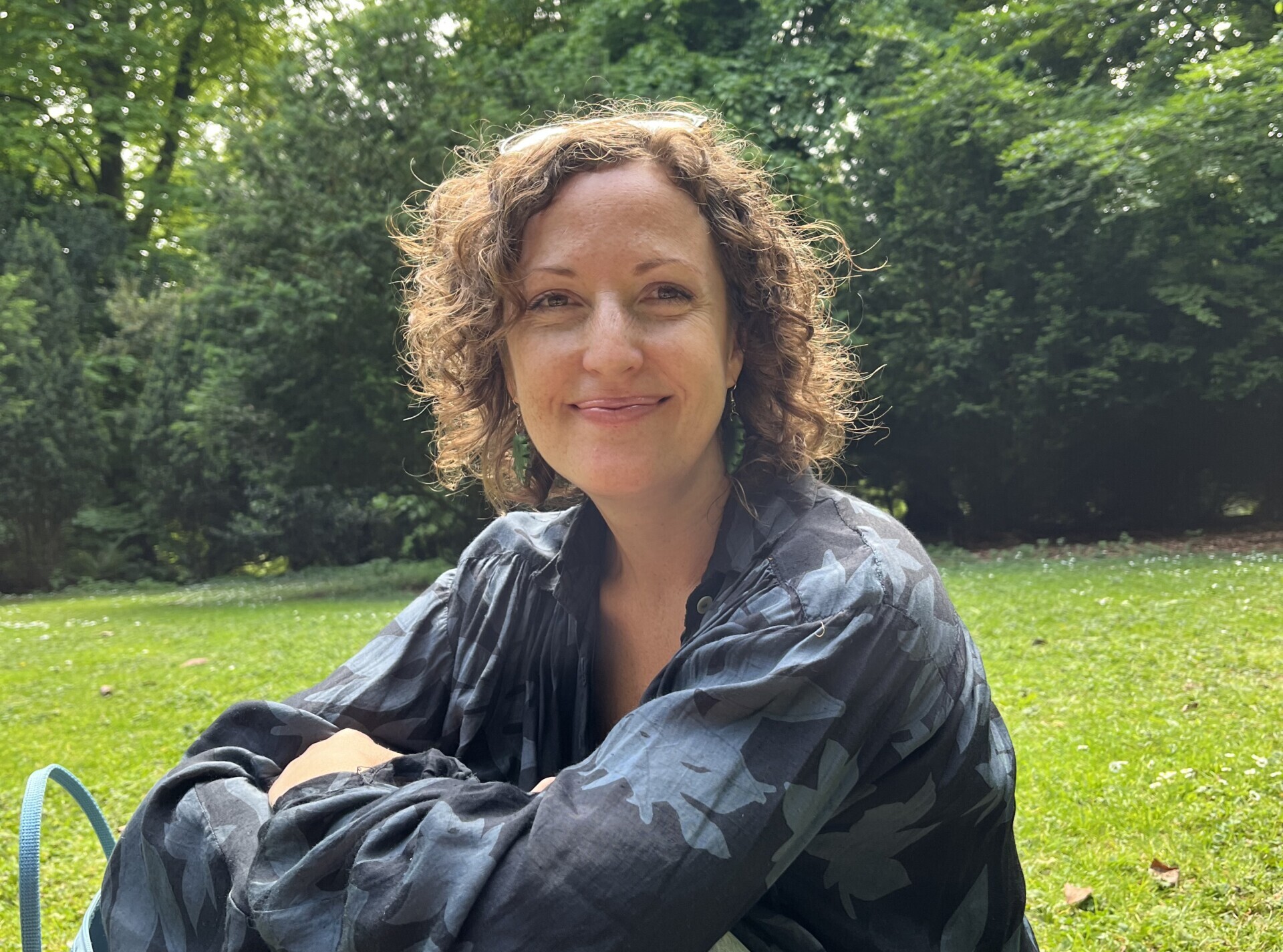
Lisa Trevit, Workshop Leader
1. Do you have a favourite flower, tree or plant? Why?
I love all flowers, trees and plants, but I did meet a very special tree recently that I fell in love with. It’s a Wollemi Pine and it is one of the world’s oldest and rarest plants dating back to the time of the dinosaurs. This particular one lives in the garden of a new friend of mine and there is something about it that fascinates me. It is very tall and straight with long christmas-tree type branches, but the pine needles are giant and flat. It has a real presence and I’m not ashamed to say that I have to give it a big hug every time I visit.
2. What’s your favourite way of engaging with nature, or what makes you feel connected to the natural world?
As a nature artist, my favourite way to connect with nature is to treat it as my larder: full of inspiration, colours, composition and materials. I love to collect things on a walk and then bring them home to make something with, like a monoprint, clay bowl with a leaf imprint, collage or needle felting or wooden jewellery. Even if I don’t make something tangible, I gather a lot of ideas and emotions from just being in nature, which no doubt weave their way into my work at some point.
3. Tell us a piece of nature-inspired music that you love and why
This might sound a bit silly, but there is a line in ‘I Love My Dog’ by Cat Stevens that I have always loved. Singing about how much his dog means to him (over and above the humans in his life, I think), he points out that: ‘All he asks from me is the food to give him strength’. I’ve always thought that was a very cute line, but also reminds us that animals, and nature, just need basic simple things like food, love, respect. It’s a good reminder that, sometimes, we need to bring ourselves back to basics and give ourselves some respite from the complicated world we live in.
4. Is there a piece of music that transports you to a particular place in nature?
I love ‘The Lark Ascending’ by Vaughan Williams. I’ve always loved this piece of music, but when we moved to the Chilterns 15 years ago and discovered Ivinghoe Beacon with its resident Skylarks, the music became real to me. Now, whenever I hear it, it reminds me of walking through this beautiful landscape with blue skies on a summer’s day, with the larks flying high and singing their beautiful song.
5. Have you ever performed, practised or simply played outdoors in nature? Tell us about it!
One of my favourite types of art is ‘land art‘. This is inspired by people like Andy Goldsworthy and involves making a big piece of art outside, on the ground using the natural materials around us. I’ve mainly done this type of art with groups of children in schools on their playing fields or school gardens. I absolutely love teaching the children outdoors, in all weathers and showing them how to gather materials, how to think about shapes, colours, patterns, how to smell, touch and look at the beautiful treasures all around us, and then how to be grateful for what nature has provided. They learn that there is treasure all around us and we also talk about the fact that it’s ok if a fox walks over our art in the night or the wind blows some of the leaves – because change is a normal part of life.
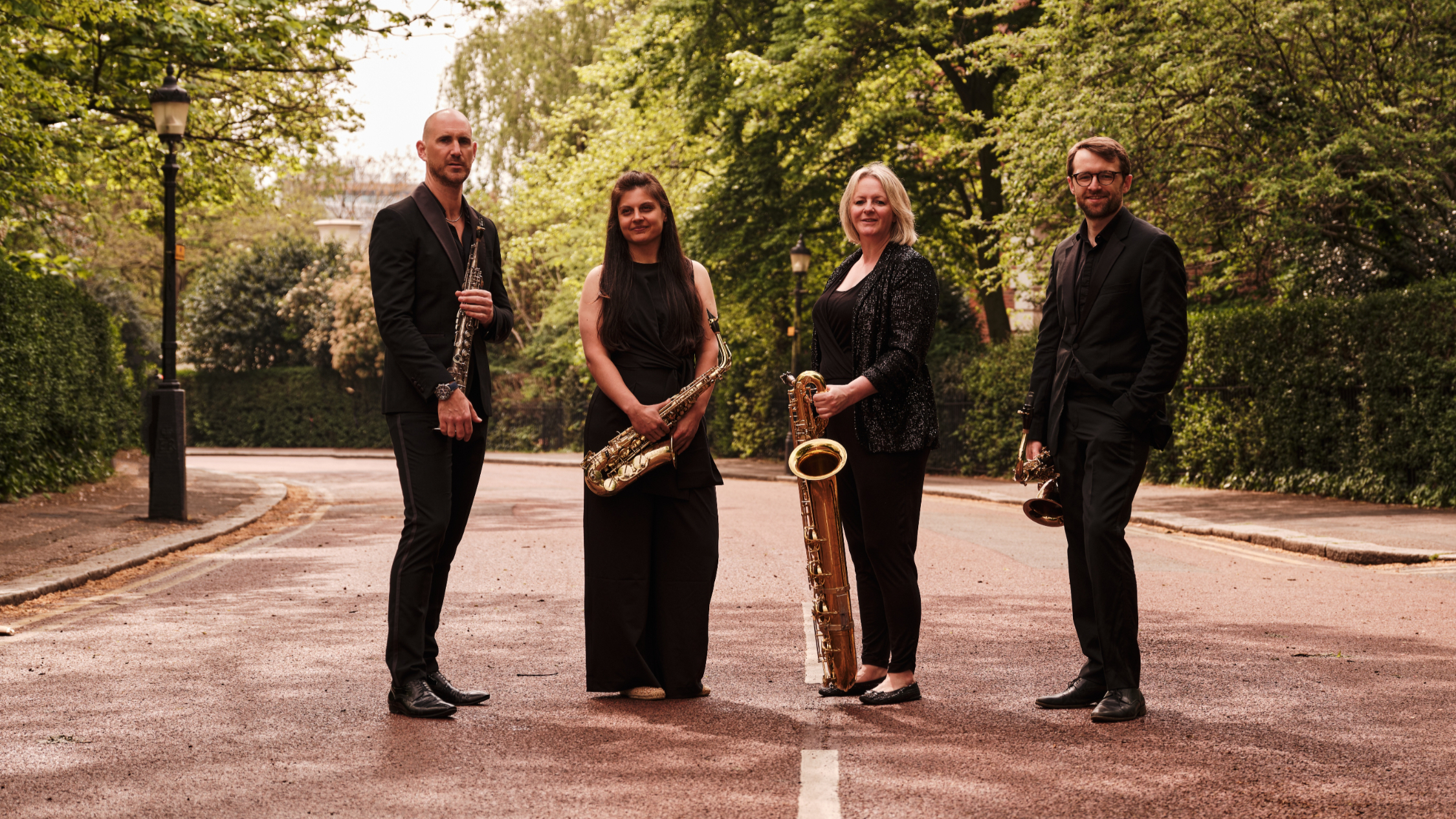
Ferio Saxophone Quartet
1. Do you have a favourite flower, tree or plant? Why?Katie – One of my favorite trees is the Common Horse chestnut Tree (conker tree).Growing up we had a very large Conker tree which was at the end of my garden. I used to climb and spend hours hanging out with my friends in it. Dangling upside down with no fear. Collecting the conkers and playing ‘conkers’. I probably even hugged it!2. What’s your favourite way of engaging with nature, or what makes you feel connected to the natural world?David – My favourite way of engaging with nature is to walk or run, either in silence or listening to music. I grew up in Canada, and of my favourite experiences is walking around after a big snowfall (especially at night). Everything is so muted and delicate. I’ve also grown very fond of walking/hiking in the British countryside. My wife’s family lives in the Peak District, and it’s amazing how you can do the same walk so many different times and it feels completely different each time you do it. I’ll admit I was initially perplexed by the lack of any particular goal or destination as a part of these walks, but now I’ve wholeheartedly embraced this!3. Tell us a piece of nature-inspired music that you love and why (including a favourite recording if you have one)Ellie – For me, there is nothing more humbling than standing in the shadow of a mountain. Therefore it would have to be Strauss’s epic ‘Eine Alpensinfonie’. The tremendous power and atmosphere his tone poem creates never fails to transport me.4. Is there a piece of music that transports you to a particular place in nature? Can you describe that place? How it feels, sounds, smells?Huw – The set of Ciudades, we recorded on our very first album: Flux. In particular with ‘Addis Ababa’, it feels like standing on high ground as evening settles over the city. The light is dusty gold, the air warm but thinning as it cools. Lines in the saxophone rise and fall like heat lifting off the streets below — fragments of rhythm, distant voices, a pulse that never quite disappears. You can almost sense dry earth in the air, a trace of eucalyptus, the hum of life carrying upward on a soft breeze. It feels spacious but alive — as if the city is breathing beneath you.5. Have you ever performed, practised or simply played outdoors in nature? Tell us about it!Ellie – What immediately springs to mind are happy memories of summer tours with Youth Wind Bands, playing in many a European town plaza or outdoor park theatre. The sharing of music without the constraints of a concert hall and many formalities that classical music often brings is hugely liberating.